How we farm
The farm has been direct drilled for more than twenty years. What that means in practice, and what it has done for the farm.
The principle
Every pass with steel through the soil burns diesel, breaks structure and kills the biology that holds the whole thing together. Then you need another pass to repair the damage from the last one. Cultivation creates the need for more cultivation.
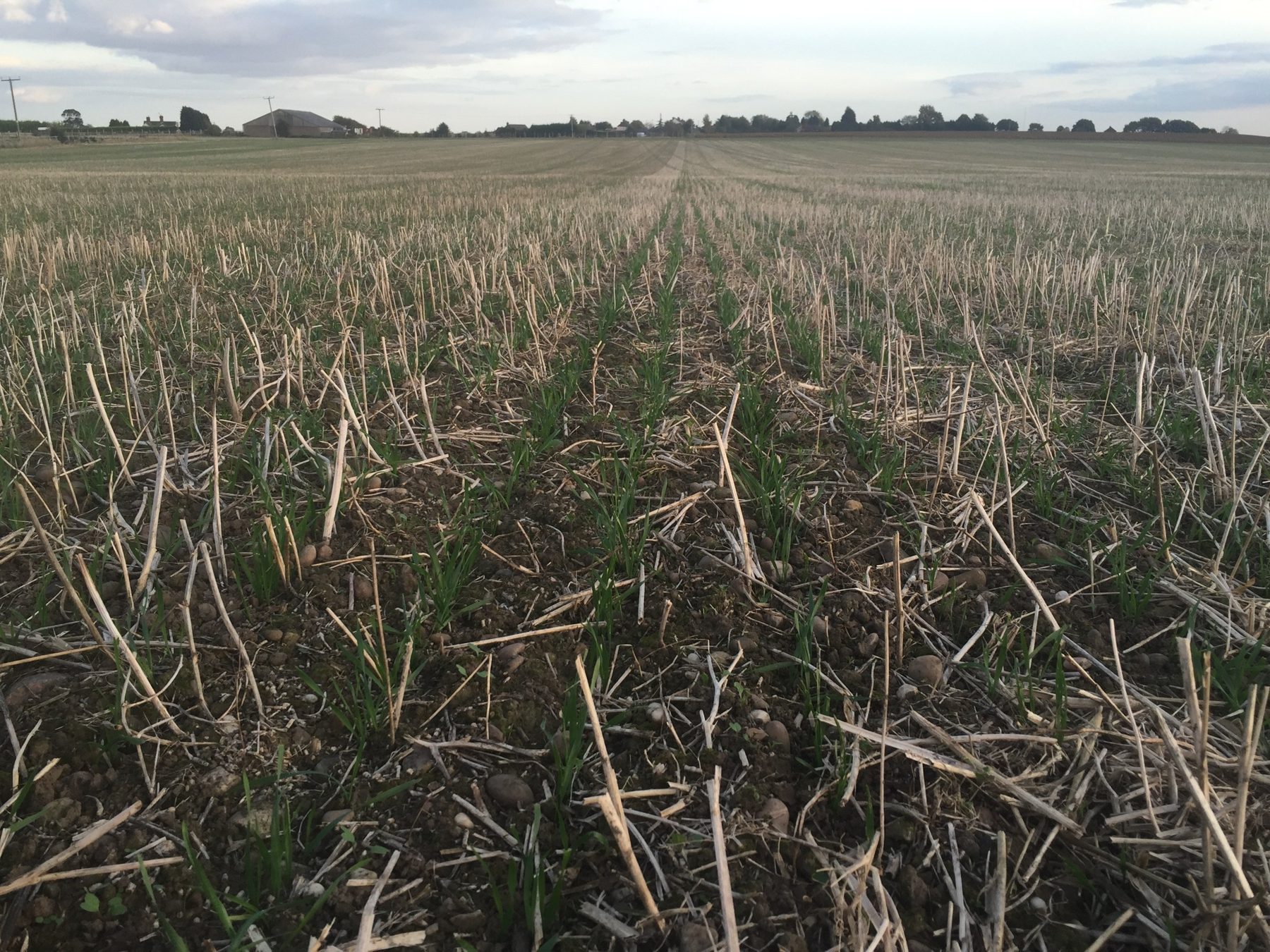
Stopping that cycle is the whole system. Seed goes straight into the residue of the previous crop with a direct drill. The surface stays covered. Roots stay in the ground for as much of the year as possible. The soil does the work that machinery used to do, and does it better.
The results on this light sandy loam have been clear. Organic matter has risen steadily. Water goes in rather than running off. The erosion that used to strip these fields in a dry spring has stopped. Worm numbers tell the story on their own. And because there are fewer passes, there are fewer machines, less labour and a far lower fixed cost base than a conventional farm of the same size.
The system
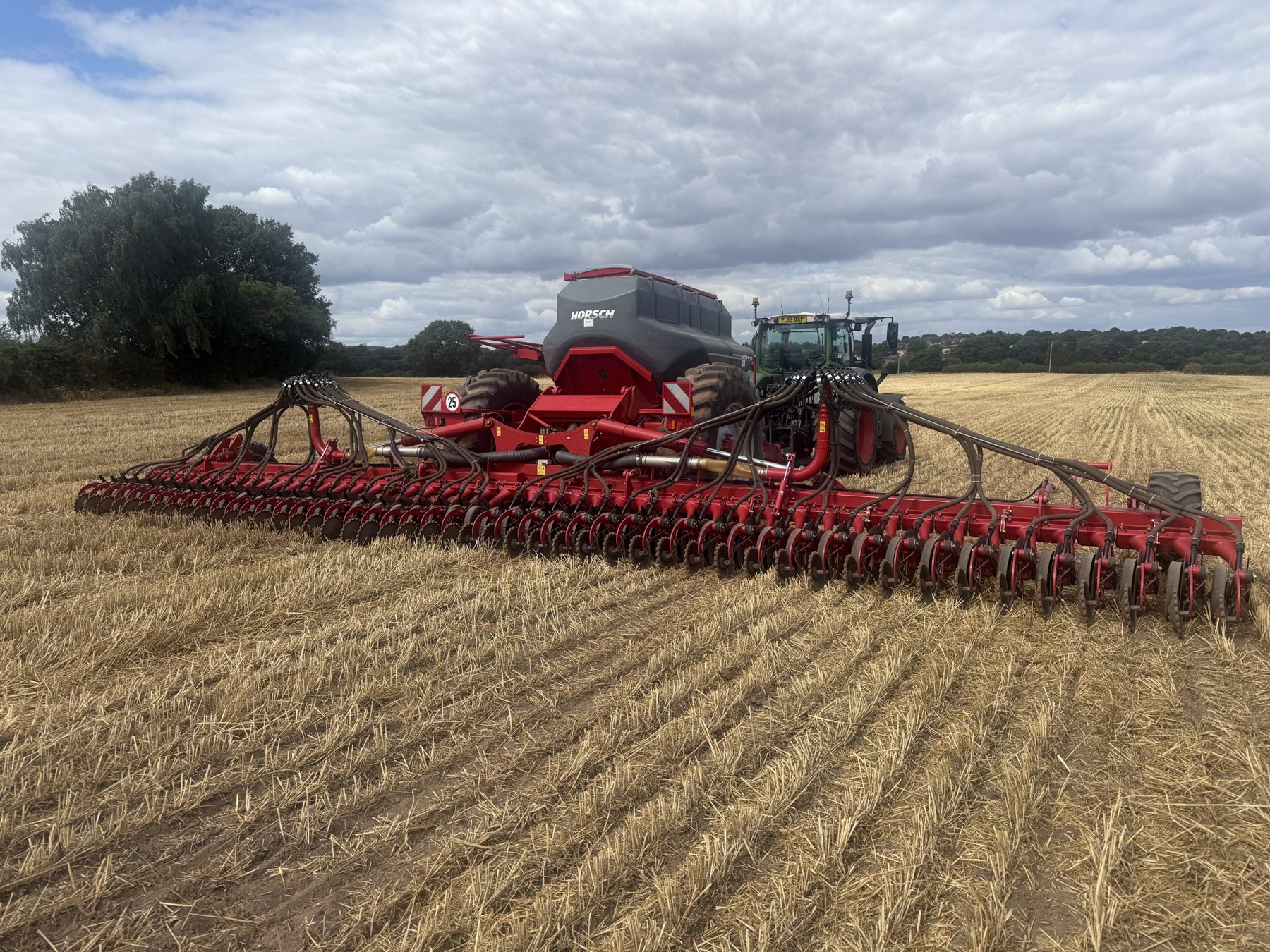
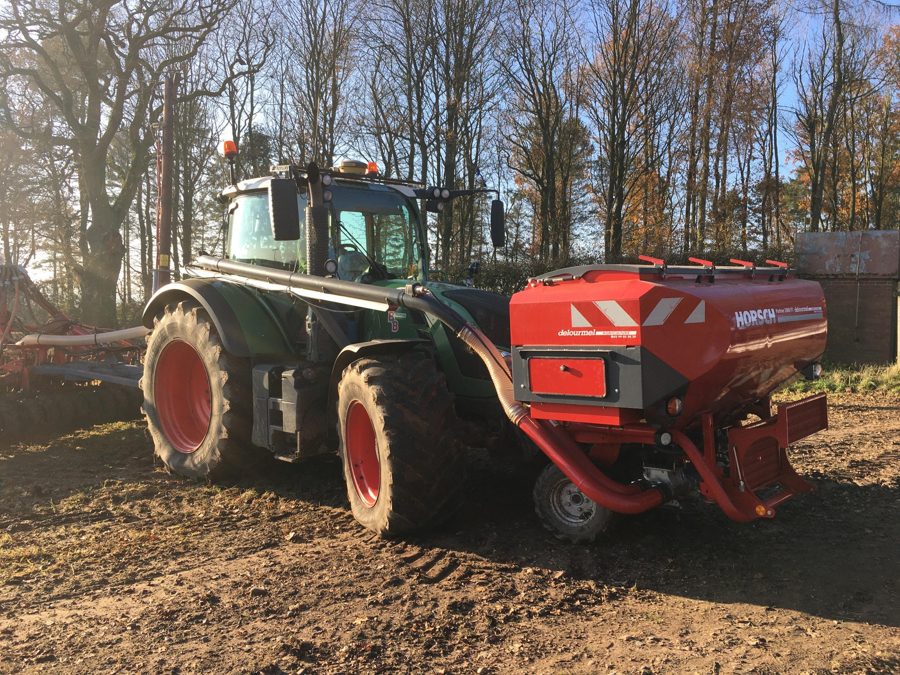
Establishment is a single pass with a Horsch Avatar disc drill, a machine the farm has worked with since it first arrived in the UK. It places seed into standing residue and closes the slot without any cultivation, which is what makes high residue, zero tillage farming work on this soil.
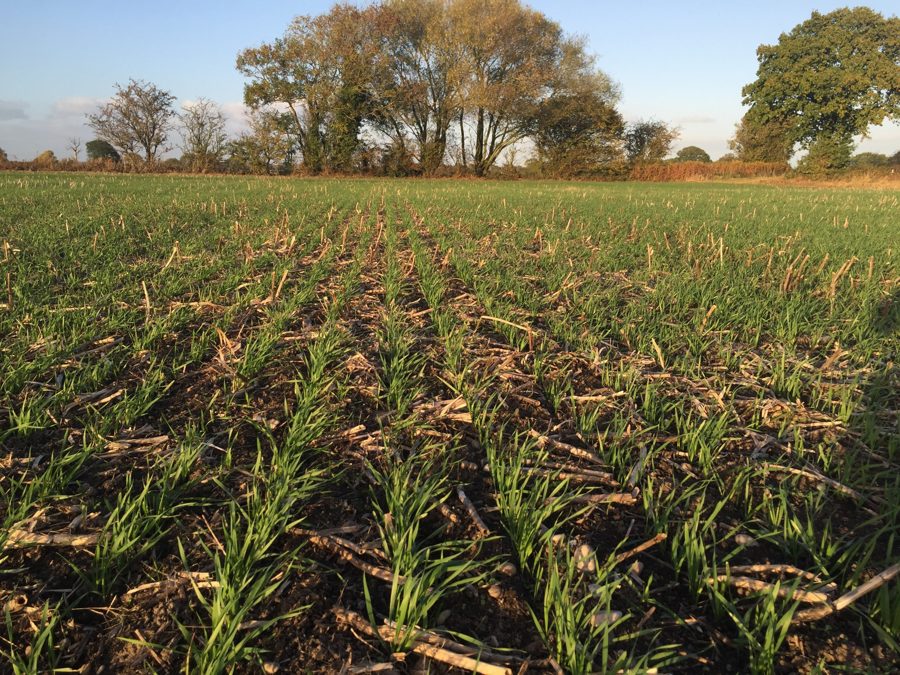
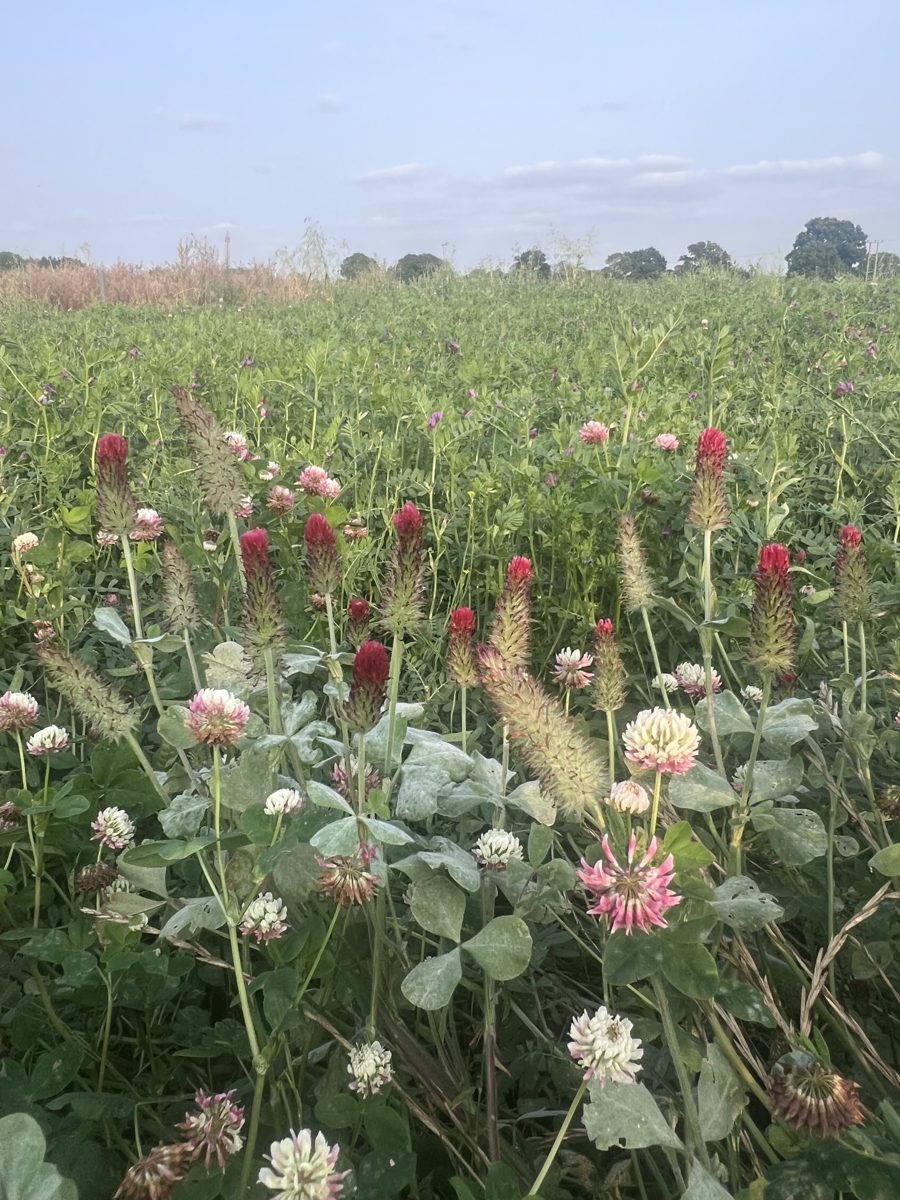
The rotation mixes winter and spring cereals with break crops and cover crops, so there is variety in establishment timing, rooting depth and the chemistry used to keep grassweeds in check without reaching for the cultivator. Cover crops are drilled straight after harvest and the next cash crop is often drilled directly into them while they are still green.
The kit list is short by design. A small permanent team runs the whole farm, and the farm only works because the system is simple.
Soil, carbon and the environment
What has been measured here, and what has changed.
Wildlife
No insecticide has been used on this farm for twenty years. The reasoning was simple. The system depends on the soil biology and on the insects that live in the crop and the cover, and an insecticide does not know the difference between a pest and the things that eat pests.
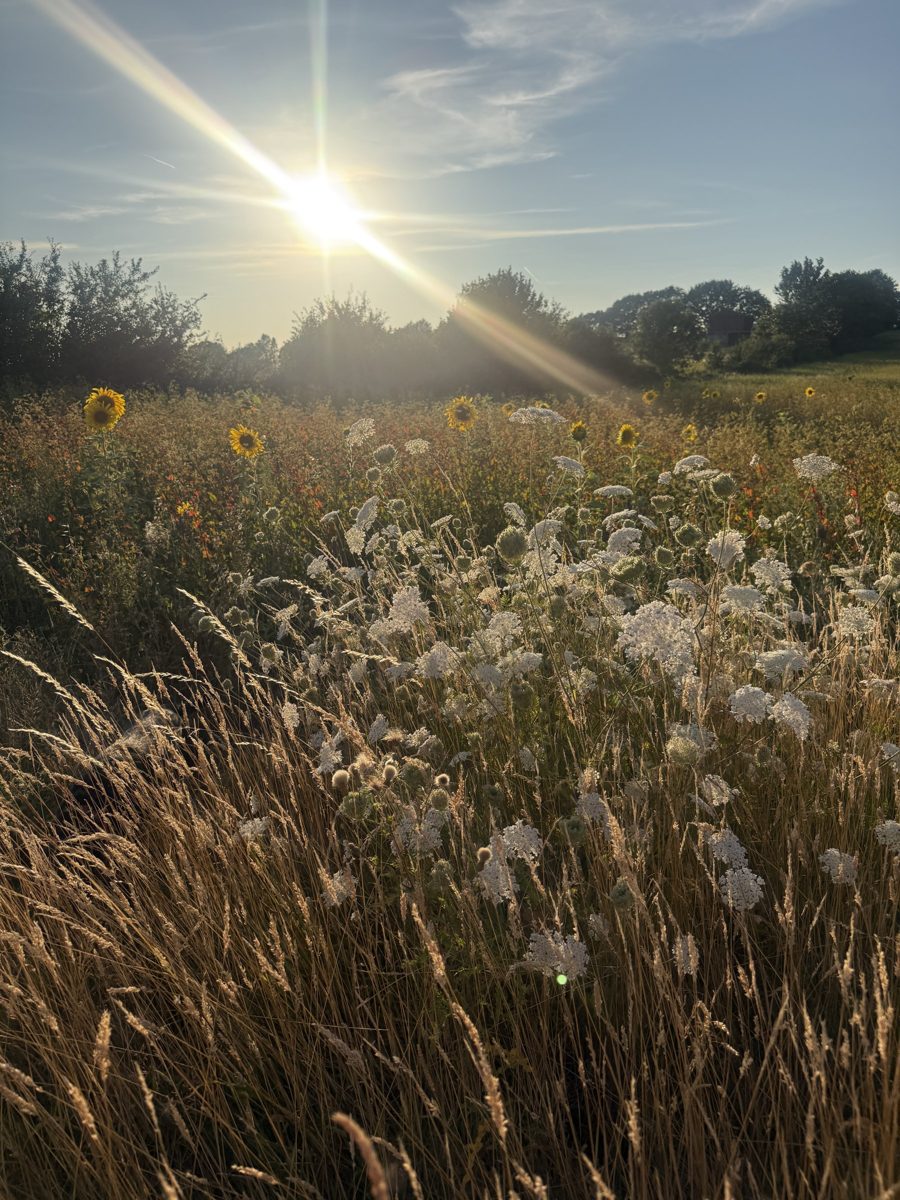
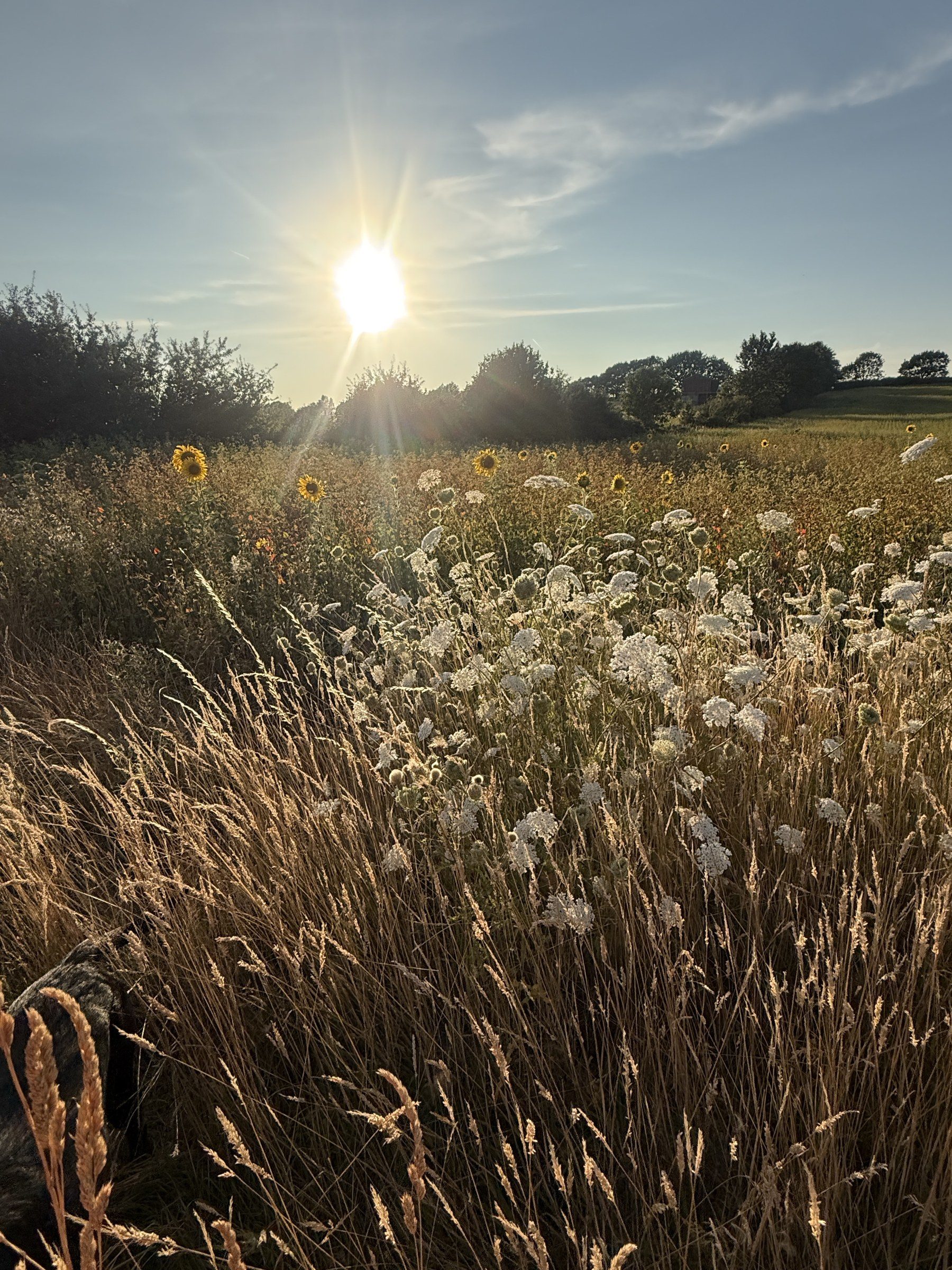
The land has answered. Worm numbers went first, then the insects in the cover crops and margins, then the birds that feed on both. Bird surveys on the farm show large increases in farmland bird numbers and in the range of species, and it is not only birds. The rest of the wildlife has come back with them, of its own accord. Build the environment and they will come. It has happened without taking land out of production, and the hedges, margins and habitat under the Sustainable Farming Incentive add to it, but the biggest difference is in the fields themselves.
We are proud of that, and of the fact that it has been done on a working arable farm with its costs under control.
TWB Farms works with landowners under contract and share farming agreements, and Clive advises organisations and farms across the industry.